Mothers of Pain
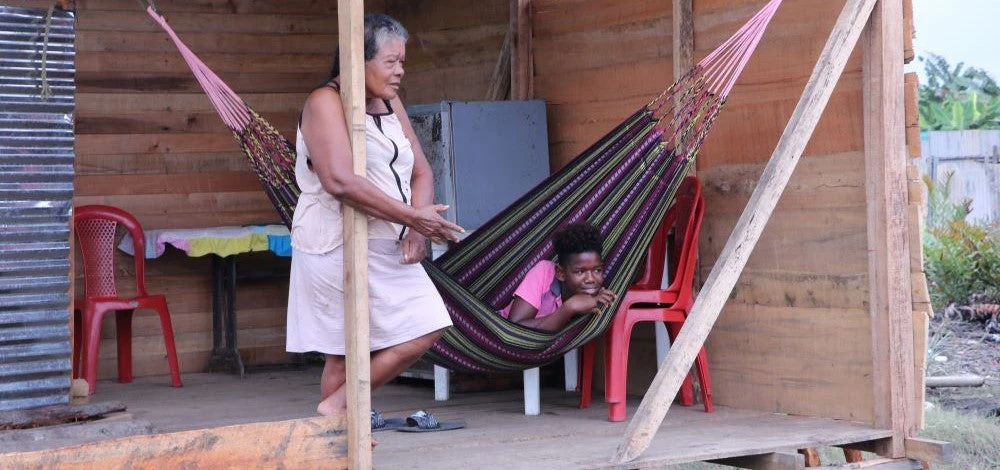
The name of the woman in the picture is Viviam Perrone. Her fourteen-year-old son Kevin was killed by a drunk driver via a hit-and-run in Argentina, her home country. If that were not enough, her husband died of a stress-induced heart attack in the days leading up to the trial of the driver (who had been tracked down), leaving her alone to raise her two other children. The driver ended up serving less than two months in jail.


Over the past decade, Africa has been experiencing tremendous economic dynamism and growth: seven of the world’s ten fastest-growing countries are in Africa; the continent’s economic output has more than tripled; and average economic growth is expected to be 4.8 percent in 2013.
I was excited to read early this week a
During a trip to South Africa last week, I was saddened to read this newspaper headline: “24 people killed, 14 seriously injured, and 44 with minor injuries after bus smashed into a mountainside.” The bus was bringing people back to Cape Town's township of Khayelitsha from a church gathering in eastern Mpumalanga—most of the occupants were women and children.
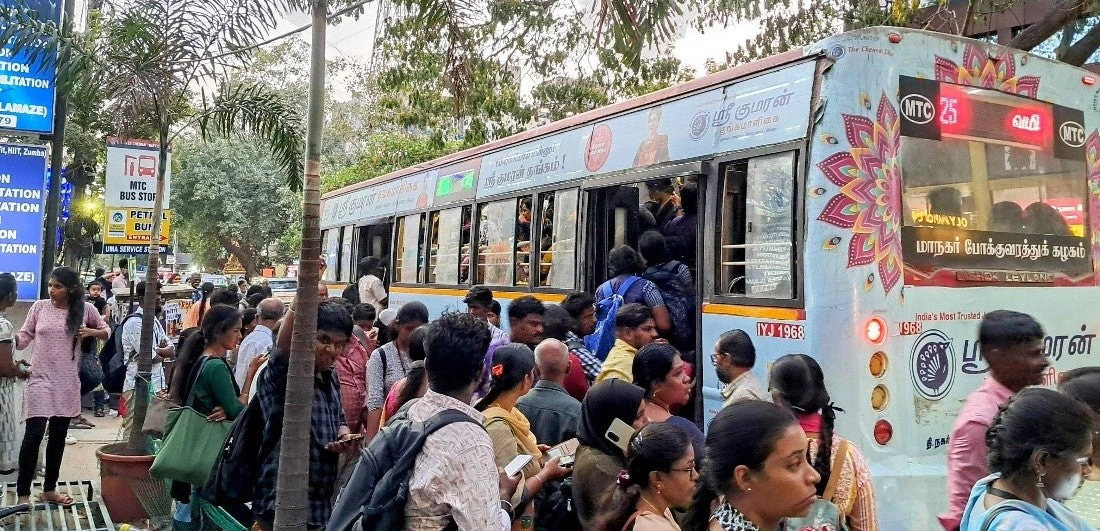
For nearly a month, I have not read a single newspaper without an article on the harassment of women in the public space and transport. In newspaper articles across the world, there is a brewing sentiment echoing the story of violence that a woman recently faced on a bus in Delhi.
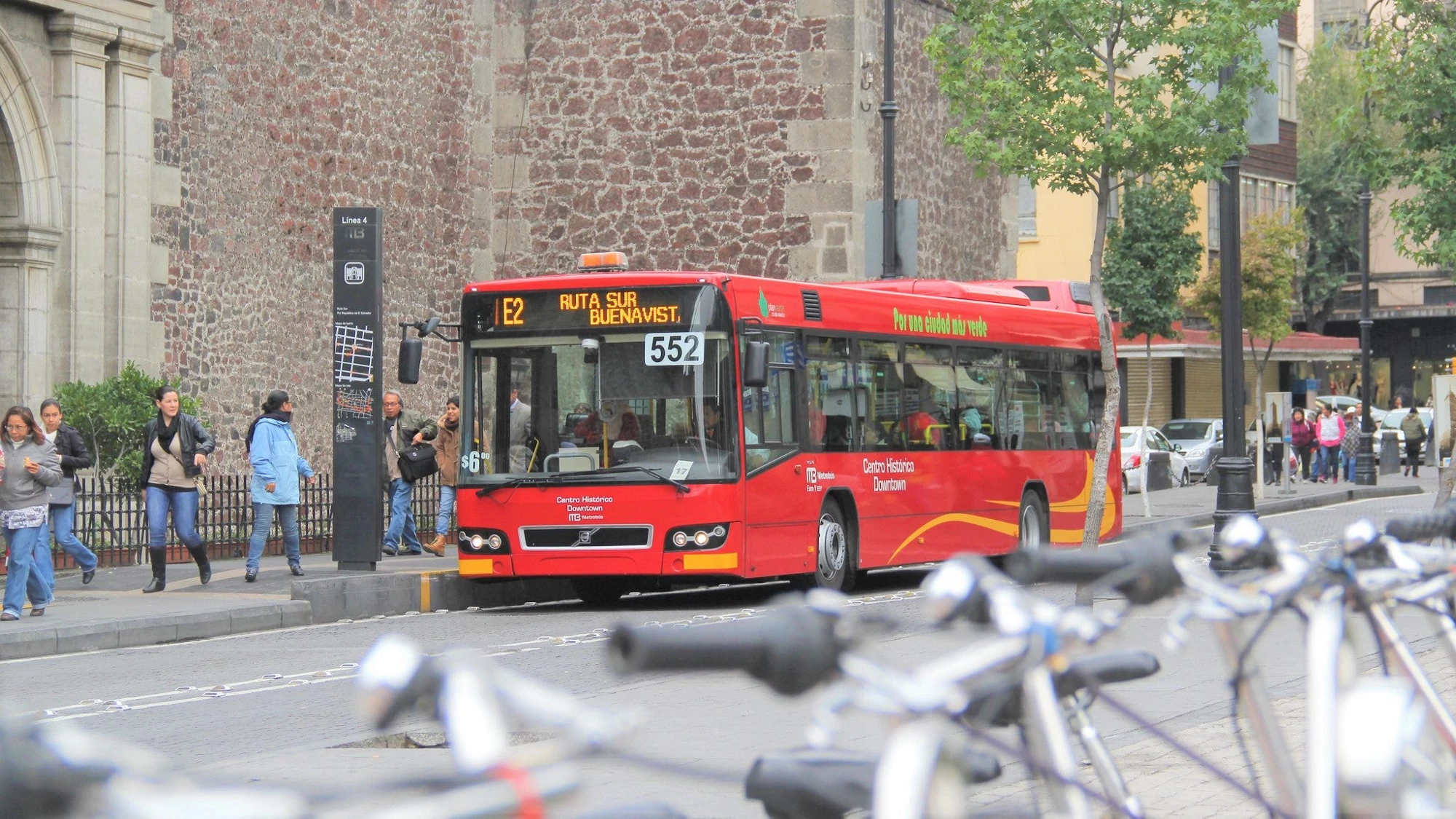
Mr. Julio Lopes, Secretary of Transport of the State of Rio de Janeiro, recently visited the World Bank to present what the city is doing to improve the quality of public transport. It is a fascinating example of how cities can improve urban transport, with a clear target of benefiting the poor and reducing a city’s carbon footprint.
When a disaster strikes, such as a hurricane or a major earthquake, relief efforts are often hampered by destroyed or damaged ground infrastructure, mostly roads, bridges, and railway networks. In the days following such a disaster, relief efforts hinge on air transport capacity, which only depends on a clear runway or landing sites for helicopters. First responders, who focus on saving lives, are primarily aviation units of the armed forces or law enforcement.
What would blogs be good for if it were not for their intent on steering a bit of controversy?