
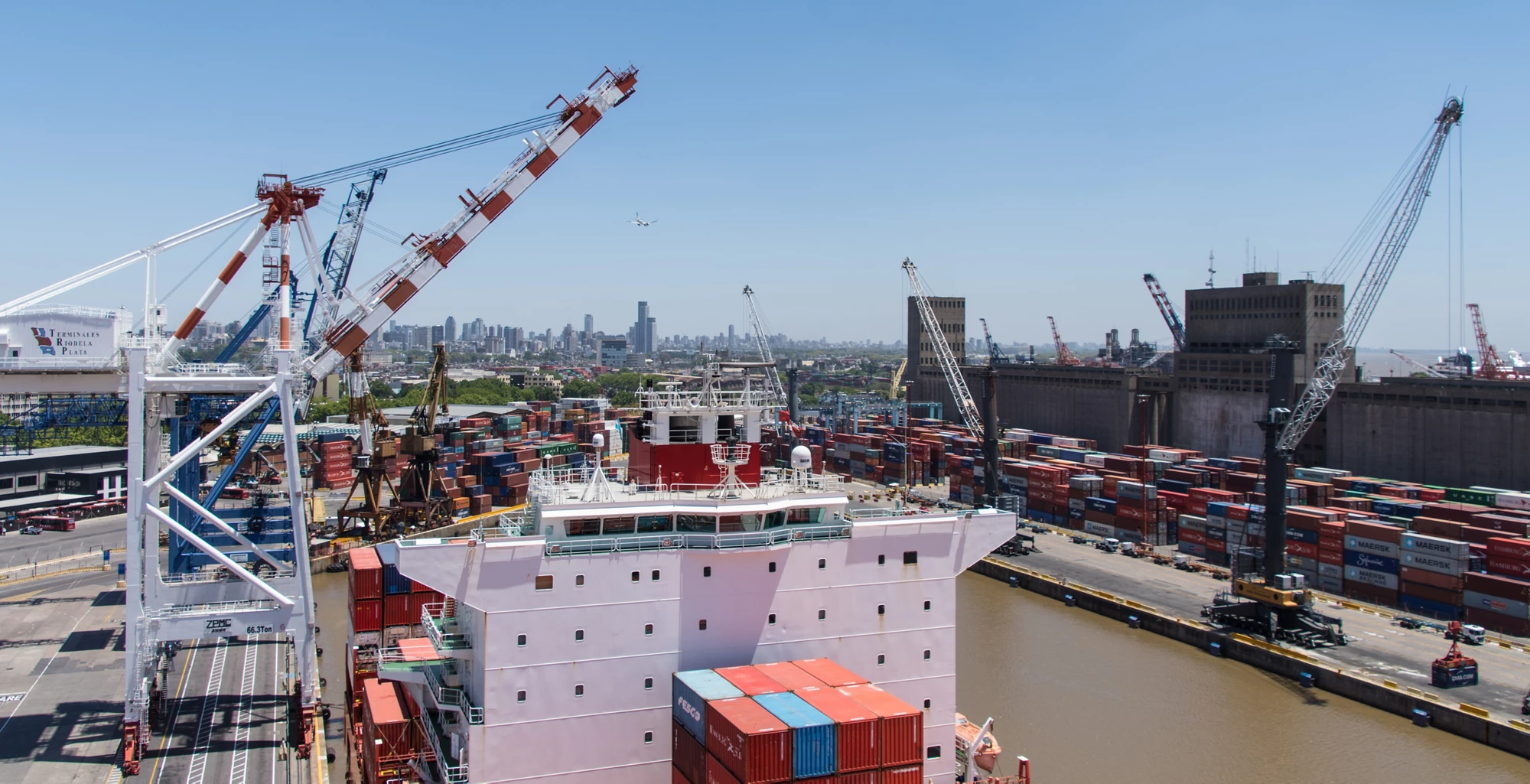
From Public Docks to Global Gateways
The history of port reform is one of evolving public-private partnerships. Two decades ago, when the World Bank’s first Reform Toolkit was introduced, most ports were publicly run, with authorities owning and operating nearly every activity. At this time, many ports in Latin America, Africa, and Asia were only starting to experiment with concessions.
Since then, the pace of privatization has accelerated, requiring policymakers, investors and port communities alike to strike the right balance between engagement by the public and private sectors. Ports are too important to be left to the market alone, but too complex to be managed without private engagement. The public sector ensures fairness and alignment with national goals, while the private sector brings capital, expertise, and efficiency.
As global shipping consolidates, technology reshapes work, and sustainability challenges grow, this partnership must continue to adapt. The latest Port Reform Toolkit is designed to help stakeholders do just that. Building on the work of earlier iterations that helped shape the way policymakers thought about port governance through the establishment of a common language for port privatization, labor, and modernization programs, the newest toolkit provides updated guidance for a more privatized and technologically complex world.
New Players, New Challenges
The 2025 edition of the Toolkit recognizes that port reform is no longer about moving from public to private. It is about managing a far more complex set of actors and interests. These partnerships are not just legal documents – they are complex frameworks for defining roles, sharing risks, and aligning public and private objectives.
Alliances among the big shipping lines – a form of horizontal integration – wield increasing bargaining power, pressuring ports on tariffs and investment decisions. In addition, we observe a rise of vertical integration. The world’s largest shipping lines – MSC, Maersk, COSCO, and CMA CGM – control or have become terminal operators themselves, often through subsidiaries such as TIL or APM Terminals. Their combined market share of container terminal throughput has increased significantly.
This horizontal and vertical integration poses a significant challenge for regulators. The traditional regulatory focus was on preventing a terminal operator from abusing its monopoly position by overcharging customers. Today, the puzzle is more complicated: an integrated shipping line may not just overcharge rivals; it could discriminate against them by denying them a preferred berthing window or providing poorer service, thereby creating an unfair competitive advantage. This shifts the focus of regulation from simple price control to ensuring fair market access and a level playing field for all users.
Financing and Risk-sharing
Another challenge lies in financing. Terminals backed by a major shipping line may seem attractive to lenders, but this can create concentration risks. If the shipping line changes its network or faces a downturn, the port is exposed.
Risks should be shared in line with who can manage them best. Construction risks might rest with the private partner. Regulatory and political risks are often created by governments and are best handled by contracts that provide reasonable and clear protection of investors’ rights whilst allowing contract renegotiation to take place. Counter-productive situations occur when governments have total control over contract changes or do not allow any changes at all. Blended finance, guarantees, and performance-based contracts are tools that can make projects more bankable while still protecting the public interest.
Labor Reform Then and Now
Labor has always been at the heart of port reform. In the 1990s, many ports were overstaffed, with rigid work rules and high costs. Early reforms often meant downsizing public workforces as private operators took over. This was politically and socially sensitive, and severance and retraining programs were needed to manage the transition.
Today, the main issue is not the shift from public to private employment. It is the impact of automation and digitalization. Automated cranes, driverless vehicles, and AI-driven logistics systems reduce the need for traditional dockworkers. At the same time, they create demand for new skills: IT specialists, equipment technicians, and data analysts.
While automation and efficiency gains often mean fewer jobs inside the port, they enable trade growth that generates jobs outside the port. Lower transport costs stimulate manufacturing, retail, logistics, and agriculture. Each direct port job supports several more in related industries. In other words, well-run ports generate multiplier effects within national economies.
The key for policymakers is to maximize this upside while managing the transition for those directly affected. That means planning beyond the port gates, investing in logistics parks, re-training programs, and regional infrastructure so that efficiency gains translate into widespread economic benefits.
Conclusion: Partnership for Prosperity
The history of port reform is one of evolving public-private partnerships. From the first Toolkit in 2001 to the updated edition in 2025, the core principle has endured: the public sector ensures fairness and alignment with national goals, while the private sector brings capital, expertise, and efficiency. Navigating this balance is more important – and more difficult – than ever.


Join the Conversation