
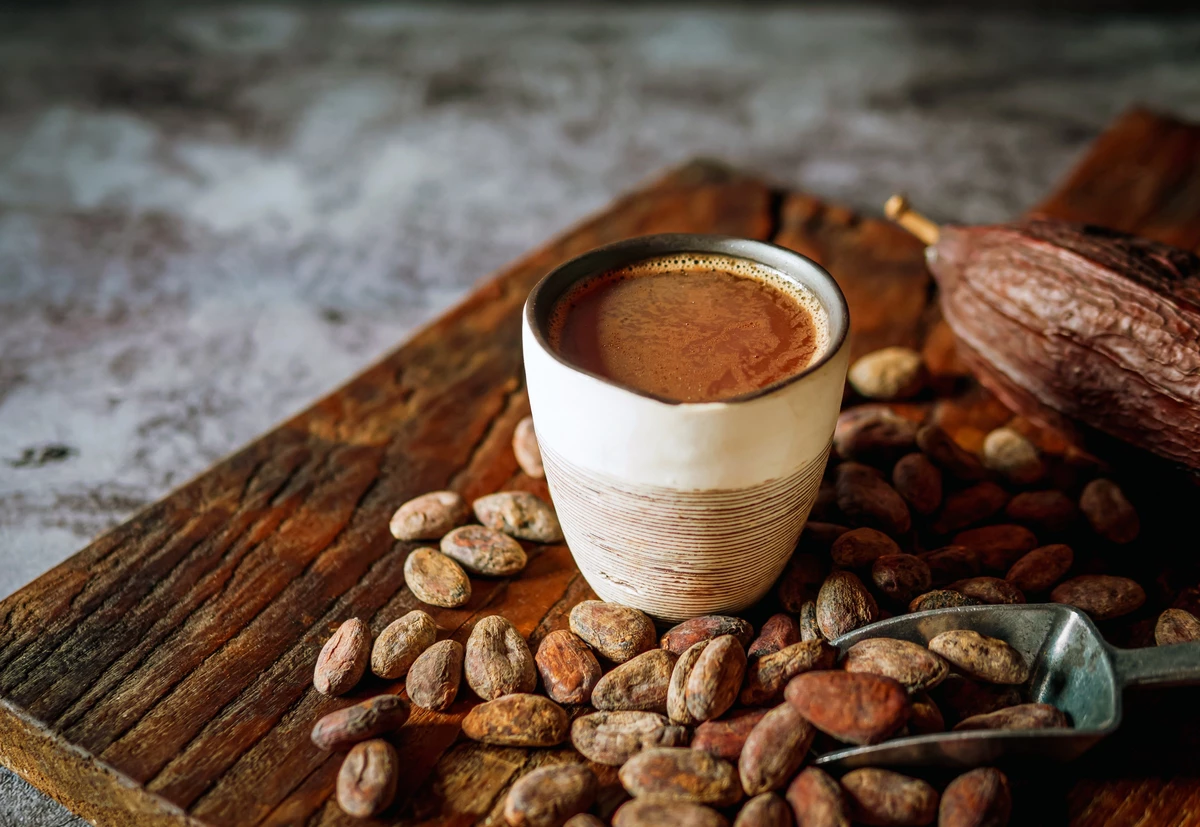
 Global beverage prices eased in late 2025 as coffee and cocoa supplies began to recover. / Photo: Shutterstock
This blog post is part of a special series based on the October 2025 Commodity Markets Outlook, a flagship report published by the World Bank. This series features concise summaries of commodity-specific sections extracted from the report. Explore the full report here.
The World Bank’s beverage price index edged down in November, easing from the sharp increases seen earlier in the year following weather-related shortfalls in cocoa and coffee production. In 2025Q3, the index declined by 10 percent (q/q) as cocoa and coffee prices retreated amid improving supply conditions, while tea prices remained broadly stable. After a projected 18 percent increase in 2025, the index is expected to decline by 7 percent in 2026 and a further 5 percent in 2027 as supplies continue to expand.
Coffee prices remain high despite an earlier dip. After falling by 10 percent in the third quarter of 2025 amid tariff restrictions and improved supply prospects, prices edged up slightly in November as global supplies tightened again. Arabica averaged about US$9/kg in November—roughly 35 percent higher than a year earlier—while Robusta approached US$5/kg. Global coffee production is projected to reach 175.4 million bags during the 2024–25 season and is expected to rise to about 179 million bags in 2025–26. As production recovers—especially in Colombia, the world’s second-largest Arabica producer—Arabica prices are projected to fall by 13 percent in 2026 and 5 percent in 2027, following a projected 50 percent increase in 2025. Robusta prices are expected to ease more gradually, declining by 2 percent in both 2026 and 2027 after an estimated 10 percent increase in 2025. These forecasts remain subject to considerable risks, particularly weather-related supply shocks in Brazil, the world’s largest coffee producer, and the impact of U.S. tariffs on coffee imports from Brazil.
Cocoa prices eased on improved supply prospects. Cocoa prices fell by about 6 percent in November (m/m), following a 14 percent drop in 2025Q3 (q/q), as expectations strengthened for a large 2025-26 crop in West Africa. Global cocoa output—which declined sharply in 2024-25 due to unfavorable weather—is projected to rebound by more than 10 percent, supported by production increases in Côte d’Ivoire (5 percent), the world’s largest producer, and in Ghana (34 percent). Prices, which are projected to rise by 9 percent in 2025 (y/y), are expected to fall by 6 percent in 2026 and an additional 7 percent in 2027 as supplies continue to recover. The outlook remains sensitive to weather-related risks, particularly the evolution of La Niña, which could boost West Africa production more than currently anticipated.
Tea prices have remained relatively stable amid well-supplied global markets. The three-auction average tea prices remained relatively unchanged in November (m/m) following a 1 percent decline in 2025Q3. Weather-related supply constraints and strong demand in high-grade varieties lifted prices at the Kolkata and Mombasa auctions, while prices at the Colombo auction eased due to seasonal factors. Despite supply concerns in Kenya and Uganda, global supplies remain ample, aided by increased output from Sri Lanka. After a projected 5 percent decline in 2025, tea prices are expected to recover by nearly 2 percent in 2026 and 2027, supported by increased production in South Asia and East Africa.


Join the Conversation