
What does climate change really mean for jobs in Somalia?
When we talk with communities across the country, the answer is clear. Climate change is no longer a distant risk, it is shaping daily life. Recurrent droughts and devastating floods are disrupting livelihoods, straining public services, and slowing economic progress. The floods of 2023 alone displaced more than a million people. Years of drought have cost the economy billions. Beyond the immediate humanitarian toll, these shocks make it harder for people to work, earn, and plan for the future.
That is why the launch of Somalia’s Country Climate and Development Report (CCDR), prepared with the World Bank Group, matters. For us, this is not just about publishing a report. It is about a shared commitment between the Federal Government of Somalia and its partners to tackle climate risks in ways that also create jobs and build resilient livelihoods.
Turning climate action into jobs
Somalia’s National Transformation Plan (2025–2029) recognizes that climate resilience and job creation must go hand in hand. Climate risks are now being factored into economic planning, infrastructure investments, and employment strategies. The Ministry of Environment and Climate Change is working across federal institutions, Federal Member States, and development partners to ensure that climate considerations are built into the sectors where most jobs are created.
The CCDR helps guide this shift. It makes clear that the cost of doing nothing is high, but it also shows that smart, well‑planned investments can pay off. By strengthening the foundations for growth and crowding in private investment, climate‑resilient development can translate directly into jobs.
Climate adaptation as a pathway to stability
In Somalia, climate shocks do more than wash away roads or damage irrigation canals. They interrupt incomes, reduce harvests, and push families to move in search of safety and opportunity. Young people and women who already face limited employment options are often hit the hardest.
But adaptation can open doors. Investments in flood‑resilient infrastructure, watershed management, renewable energy, and climate information systems create jobs while protecting lives and assets. Programs like the Somalia Urban Resilience Project (SURP II) and the national safety net, Baxnaano, show what this looks like in practice. They help vulnerable households cope with shocks today, while laying the groundwork for more productive employment tomorrow. When adaptation is linked to jobs, resilience becomes a source of stability and inclusion, not just a defensive response.
Transforming agriculture with climate‑smart solutions
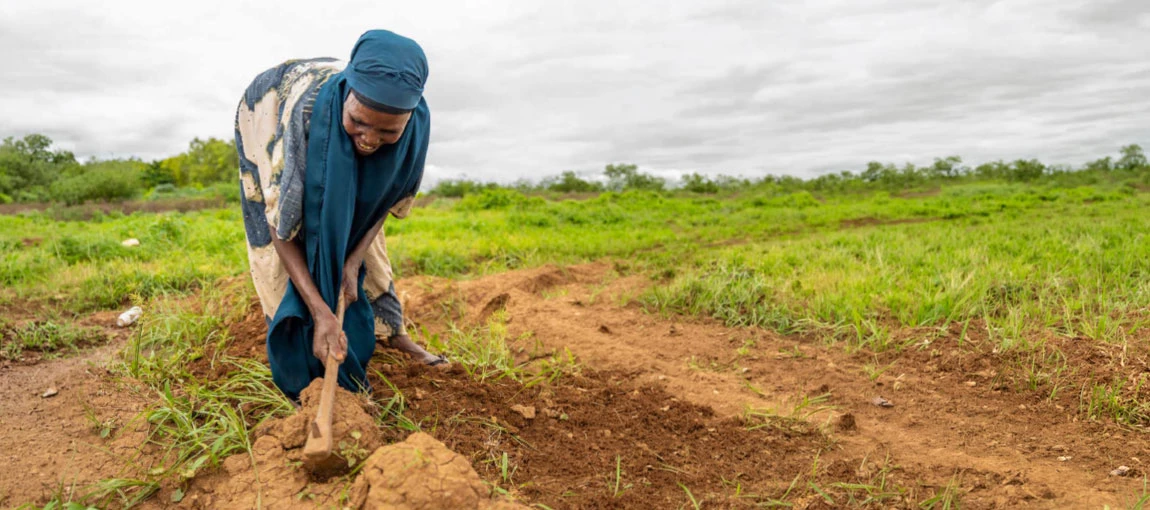
Agriculture and pastoralism remain the backbone of Somalia’s economy and its largest source of employment. They are also among the most exposed to climate variability. That is why Somalia, working with development partners, is scaling up climate‑smart agriculture, investing in small‑scale irrigation, strengthening livestock health systems, and promoting drought‑tolerant crops.
Better water management, improved storage, and stronger links to markets can boost productivity and stabilize incomes along rural value chains. With sustained and coordinated investment, agriculture can shift from being a source of vulnerability to becoming a foundation for food security, private‑sector growth, and jobs.
Energy access as the backbone of resilience
Reliable, affordable energy is essential for both climate adaptation and economic growth. Electricity powers irrigation pumps, keeps food cold, supports digital services, and strengthens early‑warning systems. Somalia’s potential for renewable energy especially solar and wind is significant. Ongoing reforms and partnerships are helping attract private investment, expand off‑grid solutions, and improve reliability in underserved areas. Clean energy reduces environmental pressure and can create jobs in installation, maintenance, and service delivery.
A forward‑looking, coordinated agenda
In recent years, Somalia has made important progress on macroeconomic stabilization and institutional reform. Climate resilience is now part of this broader development agenda. The CCDR shows that with targeted investments, stronger institutions, and close collaboration between government, the private sector, and development partners, Somalia can reduce climate‑related losses while moving closer to its long‑term development goals. At the same time, Somalia is strengthening public financial management and policy frameworks to increase national ownership of climate investments and reduce long‑term dependence on humanitarian assistance.
Building a climate‑resilient Somalia is a shared responsibility. With clear leadership, evidence‑based choices, and strong partnerships, climate action can deliver jobs, productivity, and shared prosperity. This is not only about adapting to climate change, it is about shaping a more inclusive and opportunity‑rich future for current and future generations.
What climate investments do you think could unlock the most jobs in Somalia? Share your thoughts.
Join the Conversation