
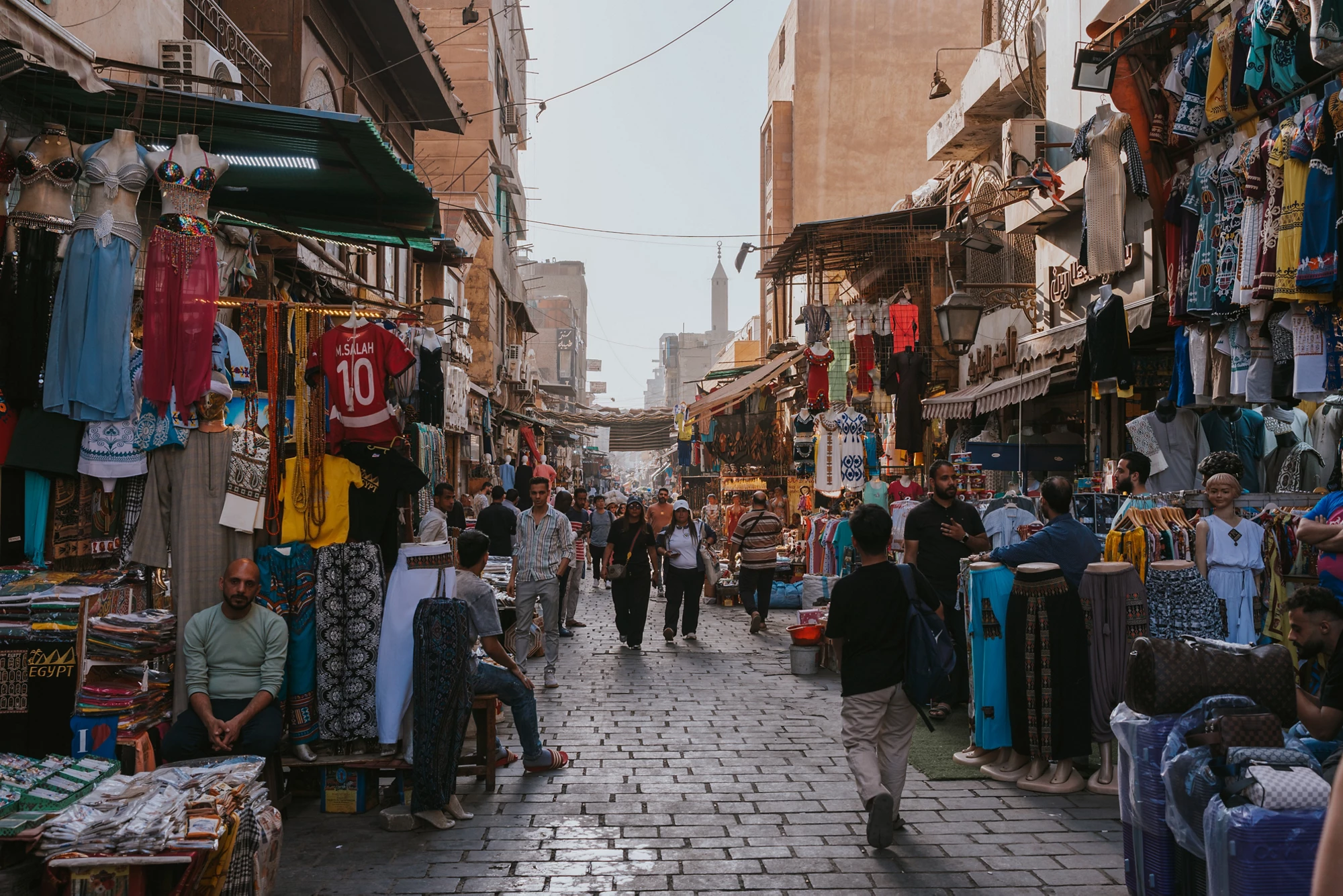
 People walking and shopping on a busy street market in Cairo, Egypt. With the right tourism investments, mayors across the Middle East and North Africa can transform their cities into economic powerhouses that create jobs, preserve heritage, and catalyze regional prosperity. Photo credit: Adobe Stock
From ancient Byblos and Carthage to the sacred monuments of Madinah, bustling souks of Marrakesh, and futuristic skyscrapers of Dubai, cities in the Middle East and North Africa (MENA) have long enticed travelers worldwide.
These city centers are not only repositories of history and culture, but also vibrant hubs of commerce, spirituality, hospitality, adventure, and innovation that attract tourists from all around the world. In 2023, tourism contributed an estimated 6.7 percent to the Middle East's GDP and 8.1 percent to North Africa's, with the region outpacing global recovery trends from COVID.
Yet, despite this appeal, city tourism in MENA operates far below its potential. Much of the region’s tourism remains concentrated in enclave beach resorts or a handful of religious sites. A wide range of UNESCO World Heritage sites, traditional crafts markets and historic quarters that have the potential to serve as economic engines remain underutilized. The World Bank's experience demonstrates that properly developed tourism offers economic benefits reaching far beyond traditional sun-and-sand destinations.
How cities can lead a regional economic transformation
When tourism value chains are well integrated, the sector drives growth in linked local industries, amplifying its impact on jobs and local economies.
According to the World Travel and Tourism Council, the travel and tourism sector in the Middle East is expected to create nearly 3.6 million new jobs over the next decade. This job intensity makes tourism particularly valuable for MENA cities, facing urgent youth unemployment.
City tourism generates employment across the entire skills spectrum, from facilities maintenance and hospitality services to specialized roles for architects, curators, digital marketers, and facility managers. Women represent a significant share of tourism entrepreneurs, often establishing small and medium enterprises in hospitality, handicrafts, and cultural services. As example, evidence from Southern Albania demonstrates tourism's inclusive potential with over half of thousands of new jobs created went to women, youth, and persons with disabilities. Strategic city tourism development could also extend employment seasons and offer diversified income sources, supporting resilient economies.
Cities serve dual roles as destinations and gateways from which tourism benefits flow to surrounding areas. As logistics hubs providing airport access, hospitality services, and marketing platforms, cities make rural destinations accessible while the same infrastructure enables rural residents to access urban employment and markets. Cities hosting major events such as the World Cup, Hassan II tennis tournament and cultural events such as music festivals attract tourists from beyond national boundaries. Linking these city-focused attractions with nature-based destinations, eco-tourism, and agricultural tourism offers tourists diverse regional experiences.
Realizing this regional potential requires expanding accommodation in secondary destinations, improving connectivity, and investing in marketing regional experiences. A World Bank study showed that a 10 percent increase in tourism demand to underserved regions in Egypt, Lebanon, and Morocco could generate between 5 and 19 percent more jobs in hospitality sectors, with spillovers across transport, entertainment, and local services. Local household income multipliers from nature-based tourism ranges from $2 to $5 for every tourist dollar spent, with poor rural households often benefiting disproportionately.
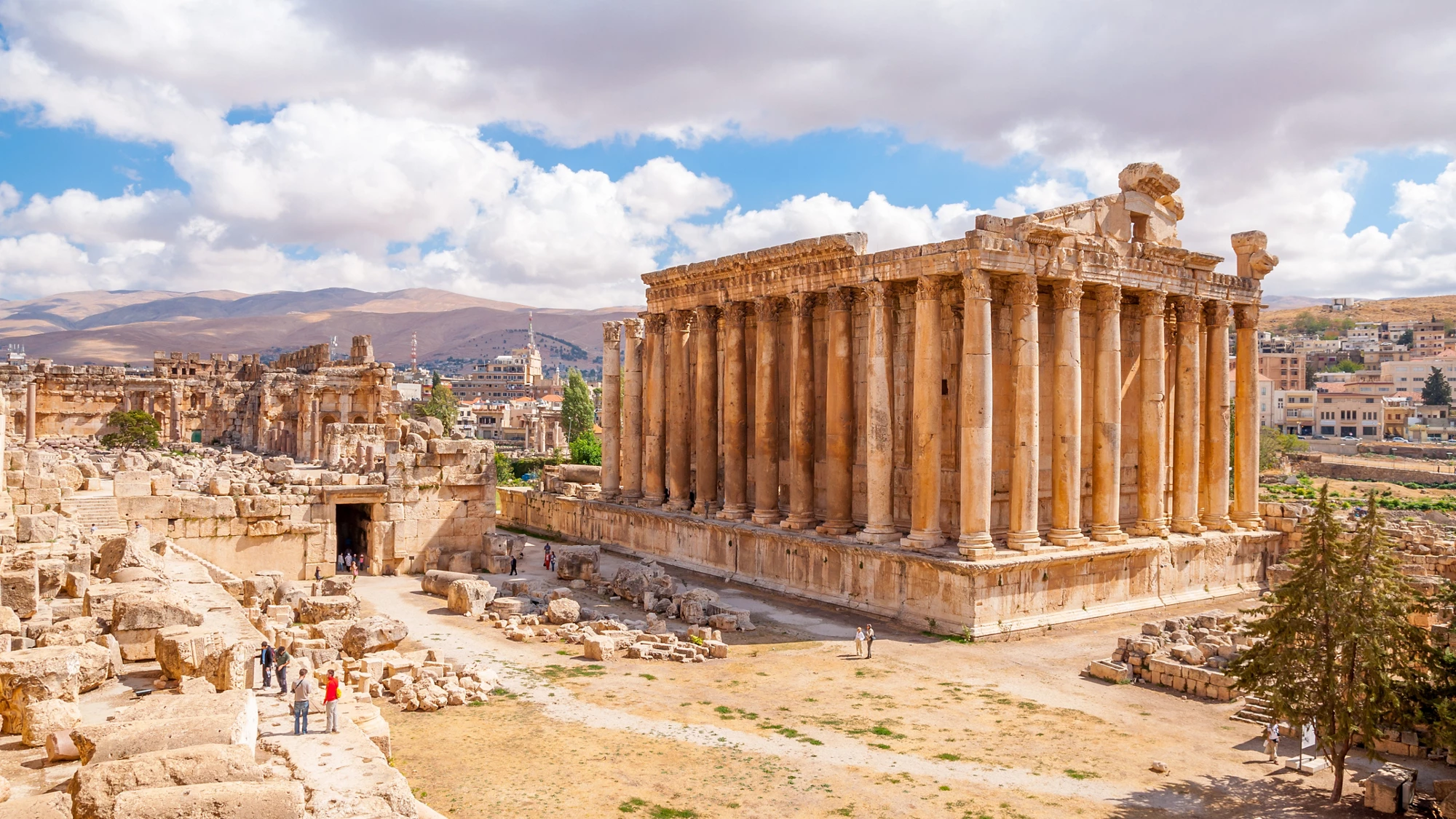 Bacchus temple in Baalbek, Lebanon. A World Bank study showed that a 10 percent increase in tourism demand to underserved regions in Egypt, Lebanon, and Morocco could generate between 5 and 19 percent more jobs in hospitality sectors. Photo credit: Adobe Stock
Learning from success stories
Global experiences reveal four useful principles for tourism-led transformations of the urban environment, while improving livability:
- Public investment catalyzes private sector engagement: Albania's government-led restoration of castles, historic sites, and urban infrastructure attracted substantial private investment. Tourism businesses in Southern Albania more than doubled, creating an ecosystem where heritage preservation drives continuous economic development. Entrepreneurs who had migrated abroad returned to invest in hospitality.
- Tourism infrastructure has dual benefits: Tourism investments in visitor amenities in cities enhance quality of life for residents. Promenades, pedestrian paths, public spaces, and accessibility features for historic sites improve daily mobility for residents. Museums, cultural centers, and festivals developed for tourism enrich residents' cultural lives while attracting visitors. Indonesia’s strategy to develop new tourism destinations to relieve pressure on Bali drove many spillovers. Government investment in quality infrastructure, skills development, and environmental protection created 1.2 million jobs, trained 84,000+ tourism professionals, mobilized $800 million in private investment, and provided 5.4 million residents access to improved infrastructure. This is a blueprint for MENA countries facing overtourism.
- Heritage conservation creates jobs: Traditional building techniques and crafts generate employment for artisans, architects, and craftspeople while maintaining cultural continuity. In Beirut's historic districts, a recently completed World Bank project rehabilitated 12 heritage buildings after the Port of Beirut Explosion. Beyond physical restoration, the project supported cultural and creative industries, ensuring that heritage preservation contributed to both economic recovery and the social fabric of communities.
- Community-centered approaches prevent displacement: Effective regeneration can embed residents' needs and protect against gentrification and overcrowding. Seoul's successful restoration of Bukchon Hanok Village was founded on strong partnerships between local governments and residents, crafting tailored, sustainable regeneration plans. Such approaches yield greater citizen approval while facilitating private investment opportunities.
An integrated vision for the future
From Aseer's mountain heritage to Tunis' medinas, from Alexandria's waterfront to Amman's citadel, mayors across MENA can transform their cities into economic powerhouses that create jobs, preserve heritage, and catalyze regional prosperity. The question is not whether city tourism can drive transformation, it is which cities will seize this opportunity first. With the right investments in infrastructure, skills, and partnerships, MENA's mayors can write the next chapter in their cities' storied histories, one where ancient souks bustle with entrepreneurs, heritage sites employ local youth, and every visitor becomes an ambassador for the entire region.
This piece was originally published by the Arab Urban Development Institute.

Join the Conversation